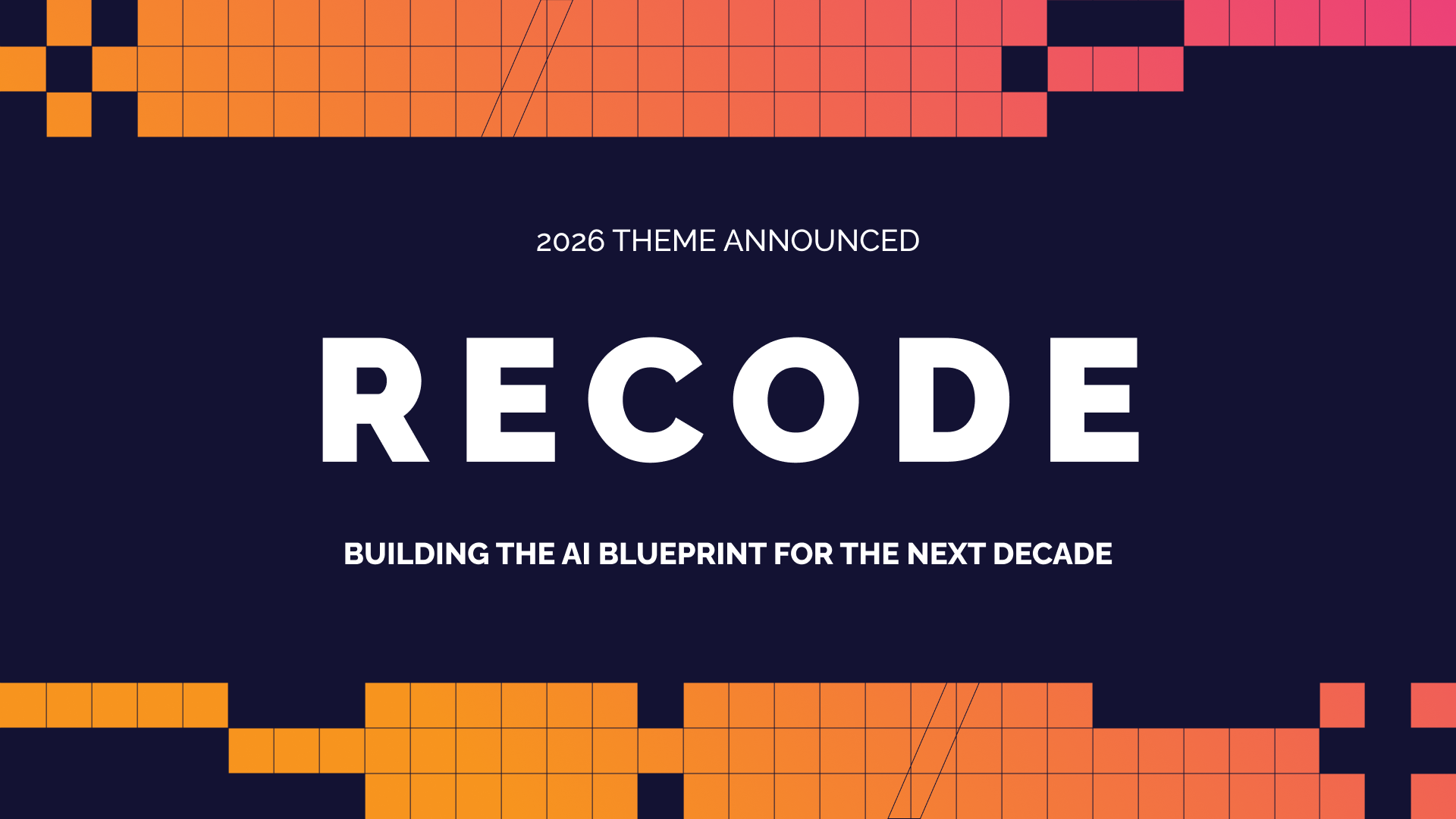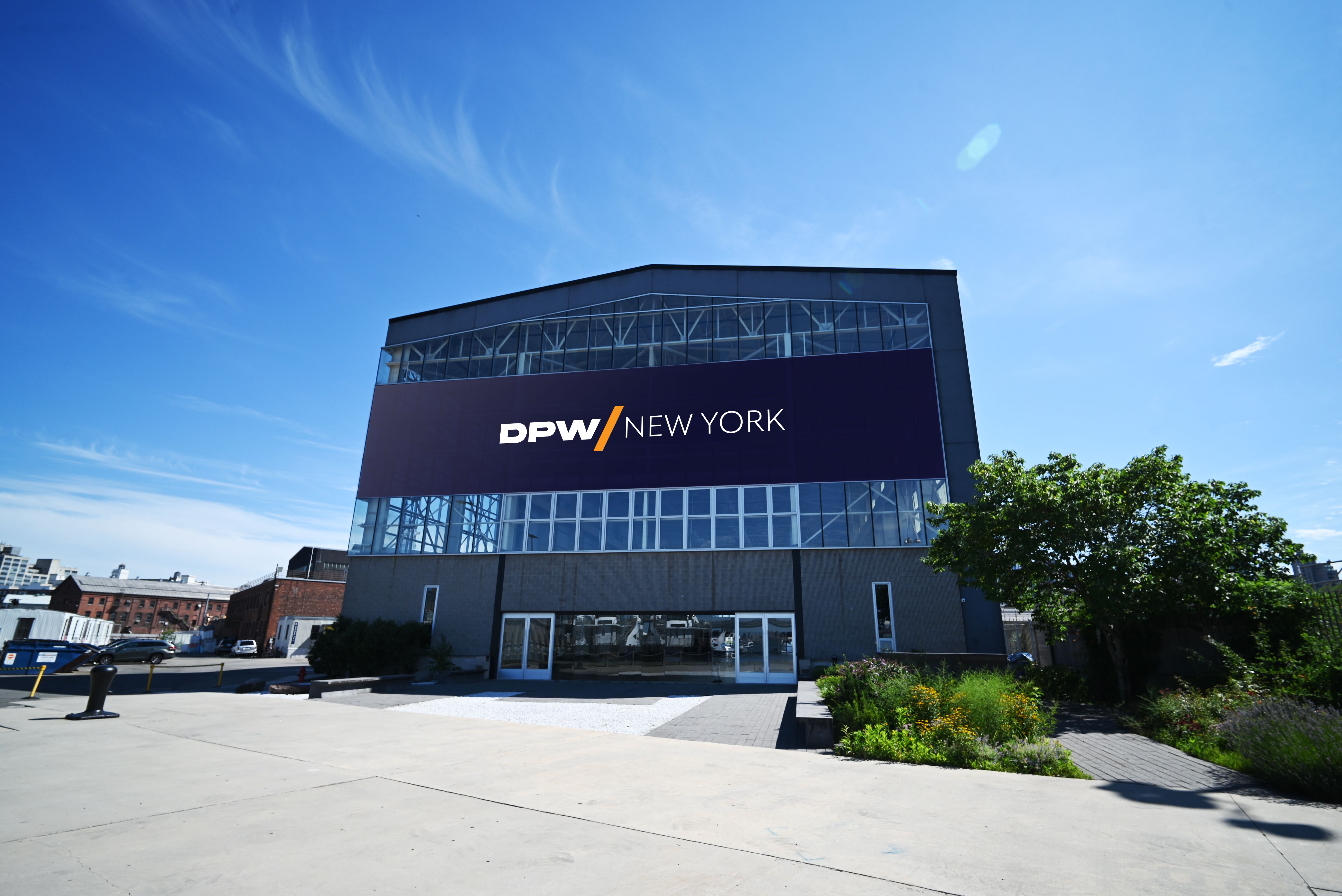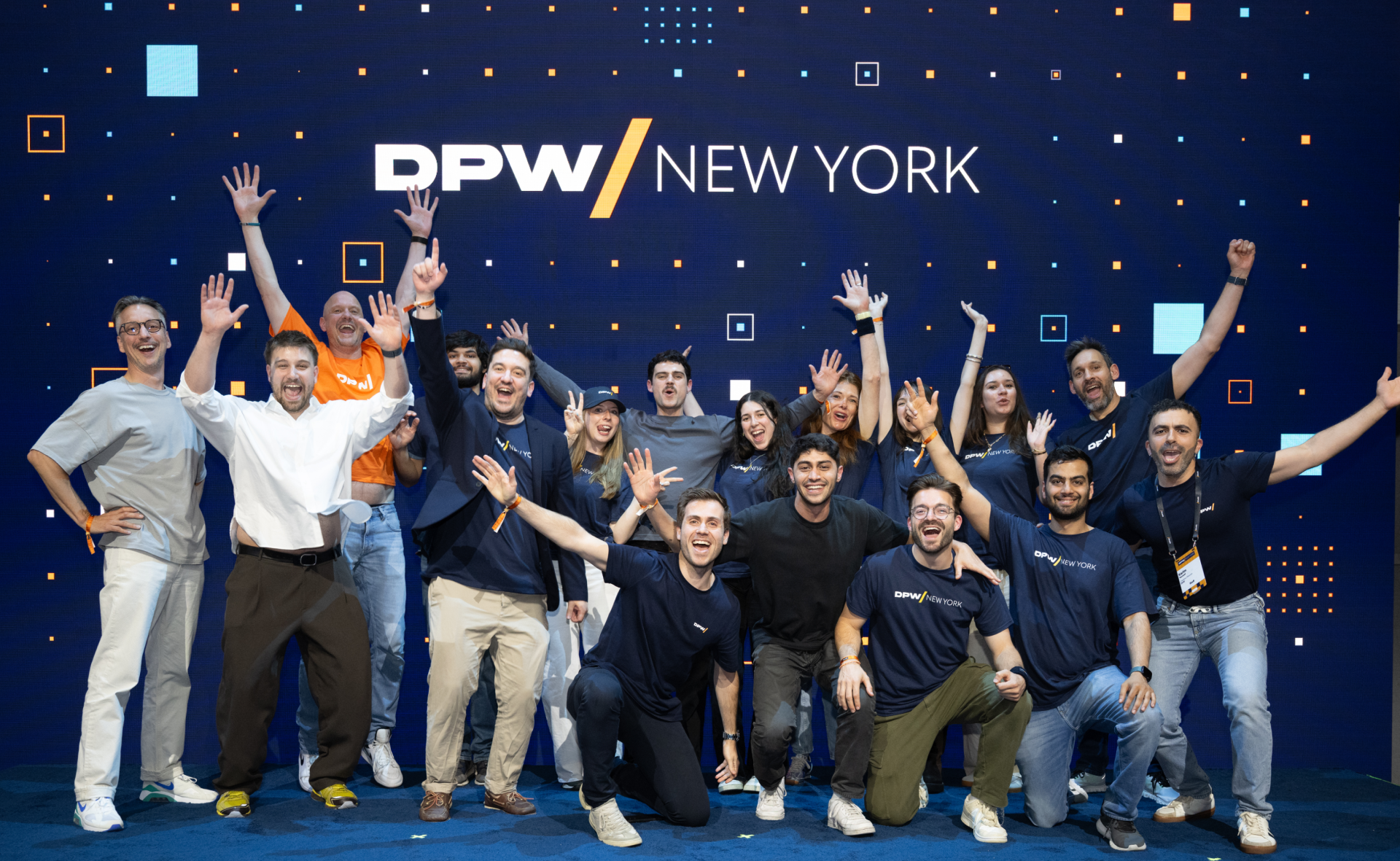






Procurement is entering a new operating era. AI is no longer a future trend or isolated experiment. It is fundamentally reshaping how organizations buy, collaborate, make decisions, and operate at scale. That’s why the theme of DPW New York 2026 is: RECODE
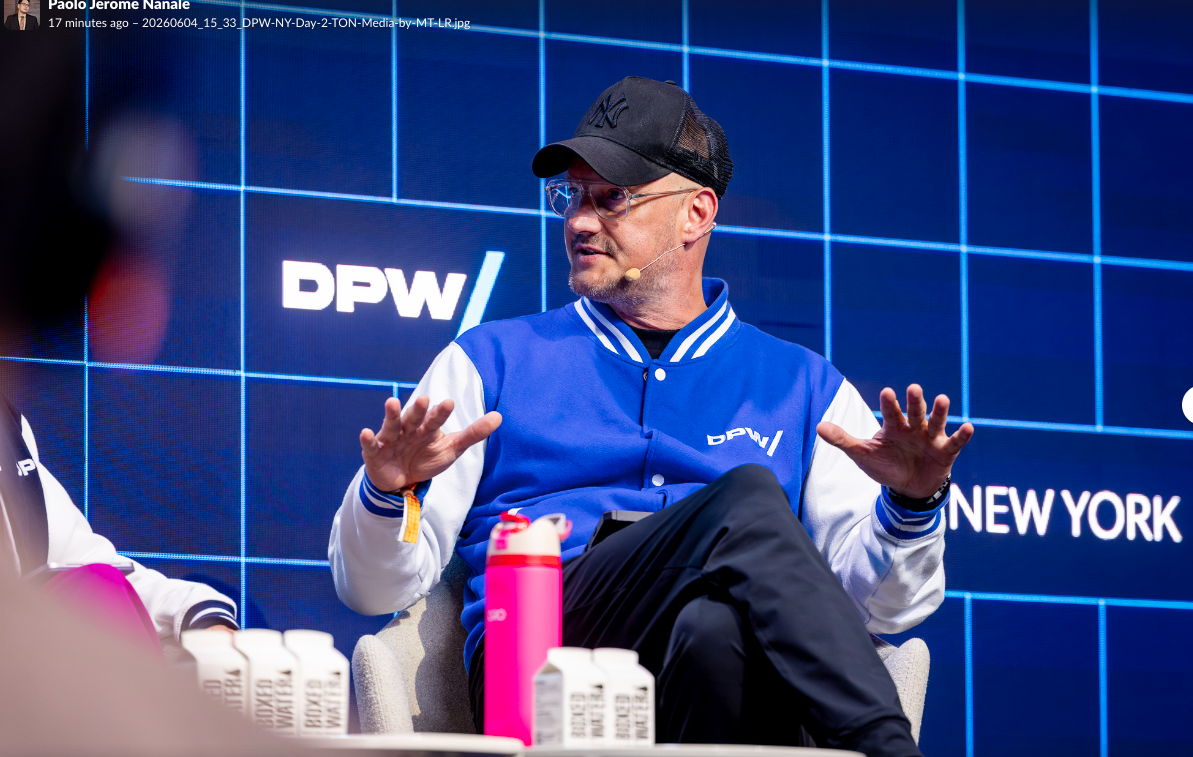
The future of B2B events
The conference industry is solving the wrong problem
The conference industry thinks it's in the event business. I think it's moving into the intelligence business—it just does not know of it yet. In an age of abundant information, the real opportunity is helping people and industries make better decisions and transform.
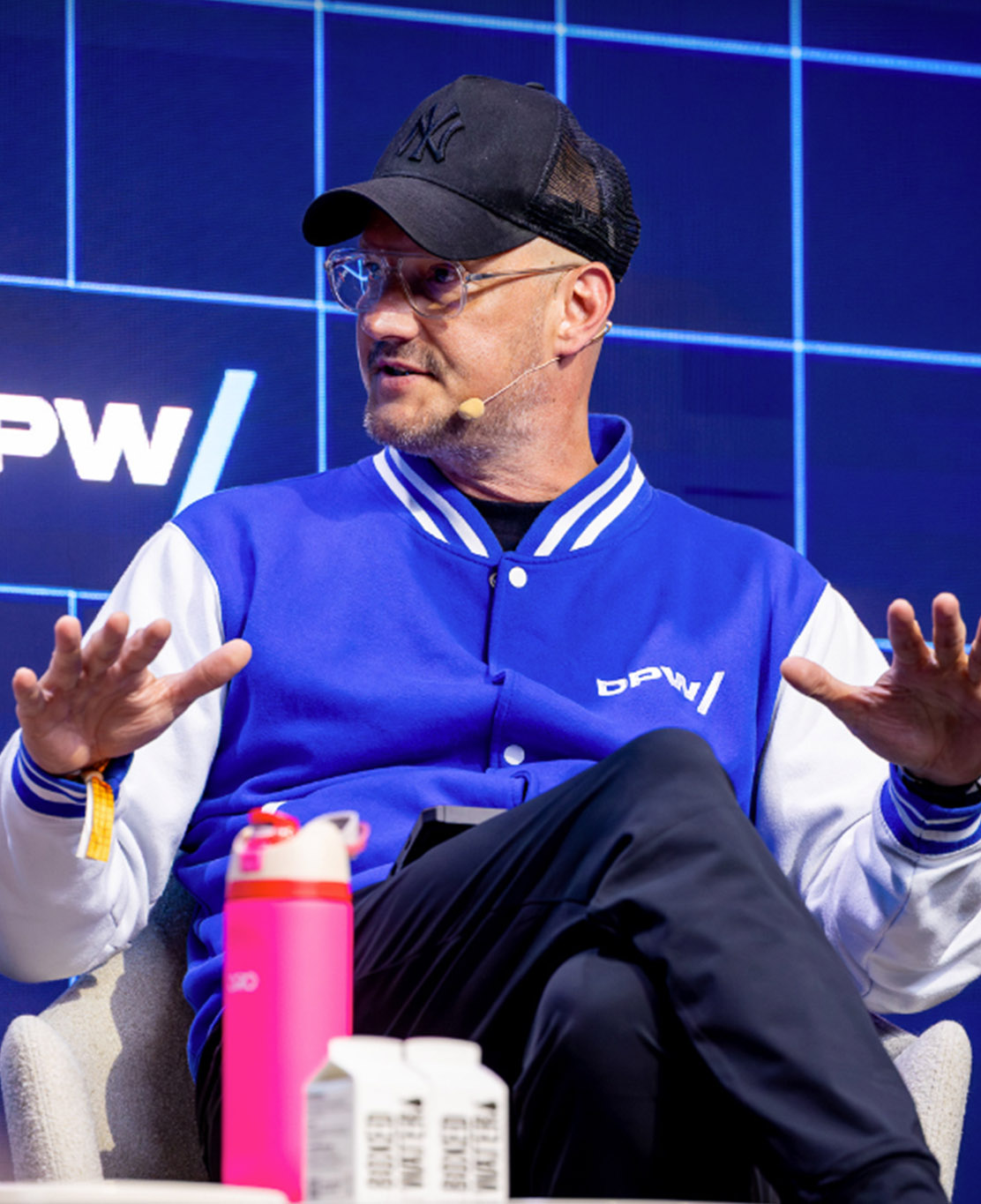
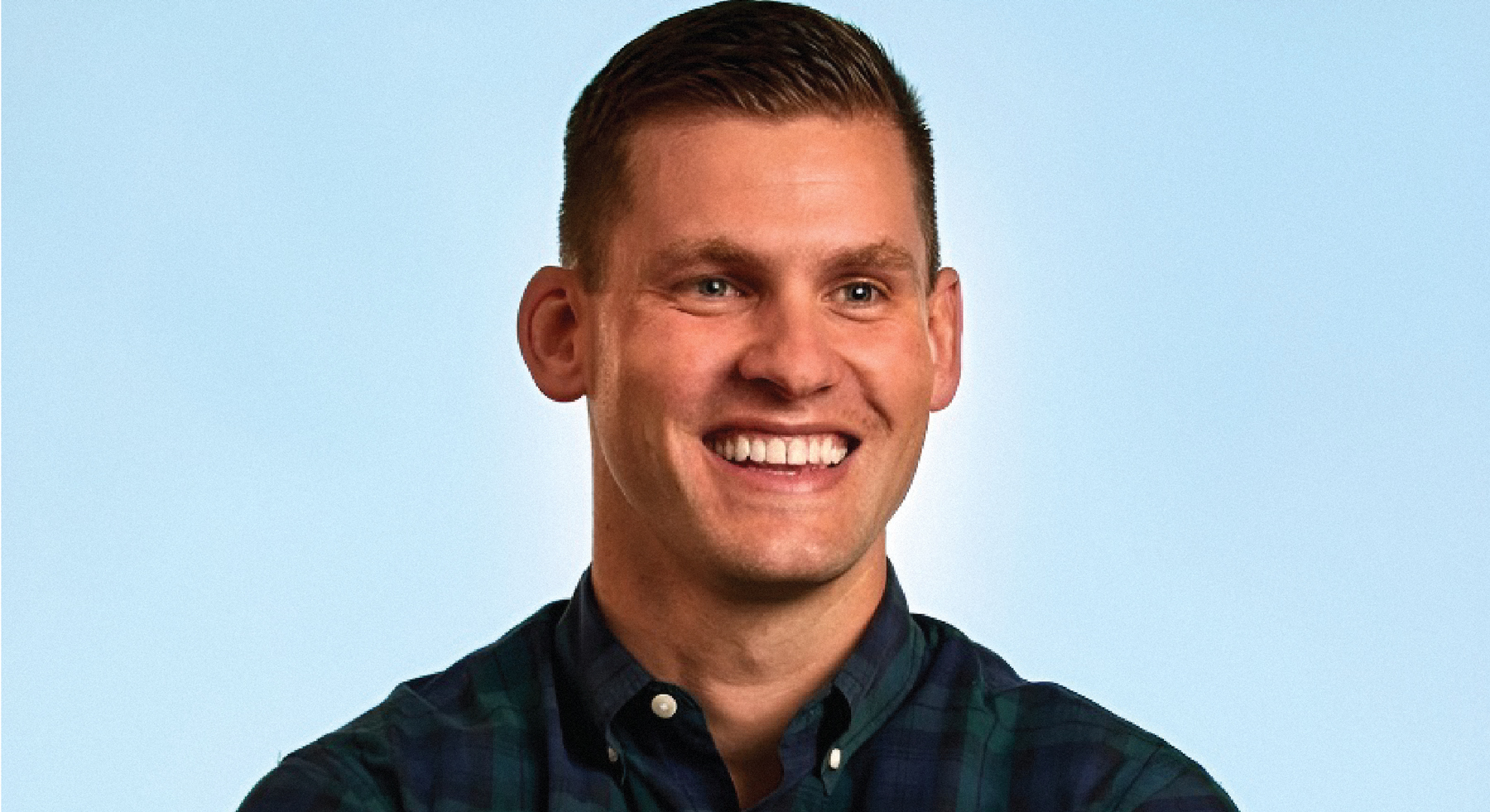
Matthias Gutzmann
Founder, DPW
“We're brilliant at gathering
knowledge. We're surprisingly
bad at preserving it. ”
Matthias Gutzmann · Founder, DPW
THE WRONG PROBLEM
We keep trying to improve the conference. That is no longer enough.For decades, the event industry has asked one question: how do we build a better event?
Better speakers.
Better networking.
Better production.
Better technology.
All of that matters. But it improves the mechanism—not necessarily the outcome.
Information is now abundant. AI can retrieve it, summarise it and explain it in seconds. The bottleneck has moved.
The real challenge is helping people turn information and conversations into judgement, decisions and change.
The real product is what changes because the conference happened.
The missed opportunity
Every year, we build the world's biggest temporary brain.For two or three days, customers, founders, executives, researchers, investors and technology companies gather in one place.
Ideas collide. Assumptions are challenged. Problems surface. Predictions are made.
Then everyone goes home—and almost everything the industry collectively learned disappears.
The biggest waste in the event industry isn't food, travel or empty seats. It's the intelligence that disappears when the event ends.
Every conference creates knowledge. Very few create memory.
Why should every event start from zero?
The evolution
From content, to conversations, to collective understanding.
Generation 1
Today
Content
Conferences created value through scarce information. To hear leading experts or discover what came next, you had to be in the room.
What do experts know?
Generation 2
Today
Conversations
As content became abundant, value shifted from the stage to the people around it: peer learning, trust and meaningful conversation.
What are my peers experiencing?
Generation 3
The Future
Collective Understanding
The next generation turns thousands of conversations into collective understanding—and better decisions.
What is our industry telling us?
The next shift
The future isn't transcription. It's sense-making.Today, we do not even capture most of the knowledge created at conferences. Roundtables, Q&As, workshops, meetings and product demonstrations happen—and disappear.
The first shift is memory: preserving what participants choose to contribute through structured, clearly opt-in interactions.
But memory is only the beginning. The real opportunity is sense-making.
Not another transcript. Not another generic summary.
Which needs keep recurring? Where does the industry disagree? What remains unresolved? Which assumptions went unchallenged? Which questions should have been asked?
The future conference won't simply tell you what was said. It will help you understand what it meant.
What if?
What becomes possible when a conference can learn?
What if every keynote changed the rest of your day?
You leave a session and instantly discover three people to meet, two companies tackling the challenge you care about, and one discussion where the conversation is already continuing.
What if you could see the industry's thinking live?
Not social media. Not sponsor messages. A live view of the questions, tensions, themes and emerging ideas across the event.
What if every attendee left with a different briefing?
Not meeting notes or transcripts. A decision briefing built around your role, your priorities and the conversations most relevant to your business.
What if the event adapted while it was happening?
A live poll reveals an unexpected barrier. A roundtable is created that afternoon. A repeated theme changes the recommended journey for the people who need it most.
How this could work
The building blocks already exist.
The technology is not the idea. It is the infrastructure that makes the idea possible.
1
Understand the attendee
Before arrival, attendees voluntarily share their role, priorities and desired outcomes. The event understands why they are coming—not only who they are.
2
Capture knowledge with consent
Stages, Q&As, polls, workshops, roundtables and selected opt-in conversations become structured inputs instead of disappearing.
3
Make sense of it
Technology identifies recurring needs, disagreements, barriers, blind spots and the questions the industry should ask next.
4
Return it in real time
Attendees receive relevant people, companies and discussions. Organisers adapt while the event is still happening.
5
Turn learning into decisions
Individuals receive decision briefings. Companies receive a shared view. The industry receives an anonymised picture of what it is learning.
6
Build memory over time
Each event begins where the previous one ended: testing predictions, tracking change and seeing which weak signals became trends.
The event model is changing
From a temporary moment to a compounding learning system.
Traditional event model
Gather. Share. Leave. Forget. Repeat.
- People gather
- Content is shared
- Conversations happen
- People leave
- Knowledge disperses
- Start again next year
Intelligence-native event model
Gather. Understand. Decide. Transform. Learn again.
- People gather around real questions
- Content and conversations create signals
- Needs, disagreements, barriers and momentum are identified
- Knowledge is preserved
- Understanding is returned to people and companies
- Better decisions follow
- The next event starts smarter
The purpose
A great event should transform at three levels.
Individual
Think differently.
People leave with sharper judgment, more relevant context and better decisions.
Organisation
Act differently.
Companies turn fragmented attendee learning into shared priorities and coordinated action.
Industry
Evolve differently.
Industries see themselves more clearly, track change over time and identify the questions that matter next.
A new category
Intelligence-Native Events
An Intelligence-Native Event is designed not only to bring people together, but to capture, understand and return an industry's collective intelligence—so better decisions can be made over time. It gives an industry memory, meaning and momentum.
The value model
The shift changes value for attendees—and for event businesses.
These are two different sides of the same model. Attendees care about better outcomes. Organisers need a business that can keep creating—and capturing—value after the event ends.
How value is created for attendees
Today's attendee value
Access during the event.
- Expert content
- Peer conversations
- New relationships
- Product discovery
- Inspiration
Next-generation attendee value
Understanding that improves decisions.
- More relevant people and sessions in real time
- Clearer answers to individual business priorities
- Personalised decision briefings
- A shared view across the attending team
- Year-over-year context on what is changing
Why DPW is betting on this future
DPW is not trying to build another conference. We are exploring what comes after conferences as we know them.As a founder, I wake up thinking about one question: what should events become in a digital, AI-first era—and what would we build differently if we started from first principles?
At DPW, we have invested in world-class content and meaningful conversations. Both remain essential. But the next frontier is collective understanding.
AI does not make conferences obsolete. It makes the old definition of a conference obsolete.
The opportunity is not to add another AI feature. It is to use technology to help an industry learn from itself.
We are exploring what Intelligence-Native Events could become: events that help people, companies and an entire industry make better decisions because they came together.
Our ambition is not simply to organise a great event. It is to help procurement think better, decide faster and transform together.
About DPW Amsterdam
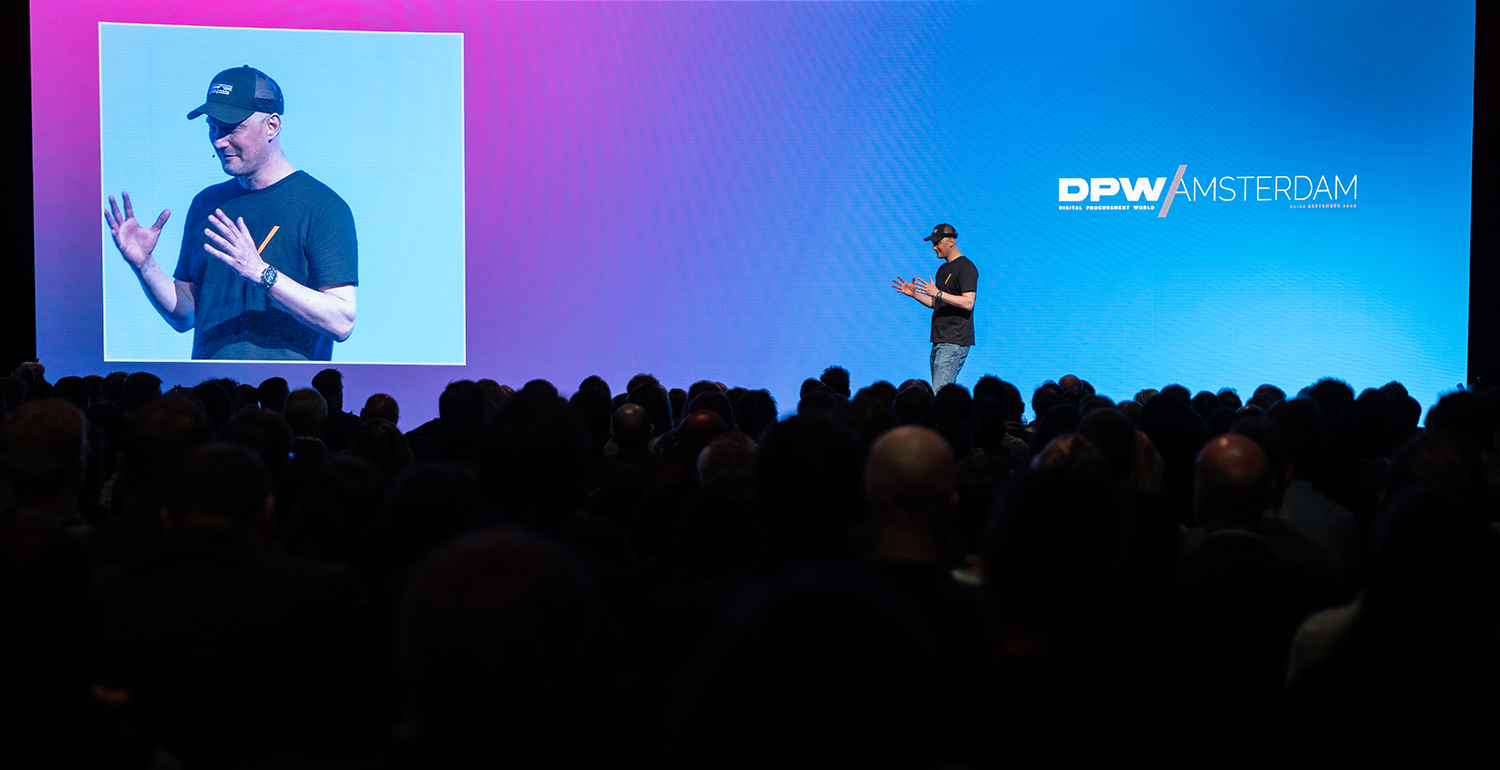
DPW Amsterdam is the world’s most influential event for procurement and supply chain innovation. Each year, it unites startups, enterprises, investors, and thought leaders to define the future of procurement technology. To learn more, visit www.conference.dpw.ai.

September 30 - October 1 2026