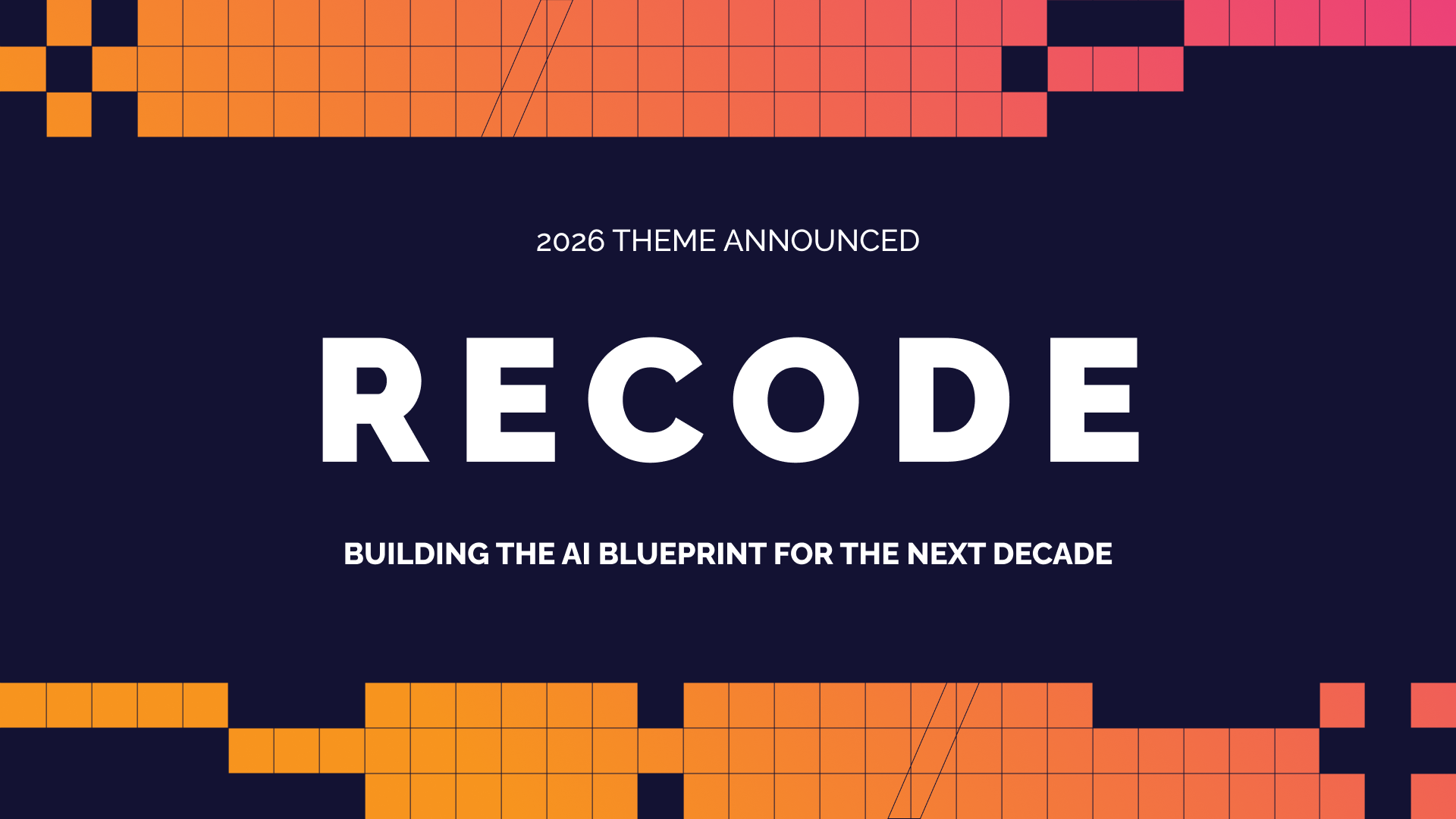






Procurement is entering a new operating era. AI is no longer a future trend or isolated experiment. It is fundamentally reshaping how organizations buy, collaborate, make decisions, and operate at scale. That’s why the theme of DPW New York 2026 is: RECODE
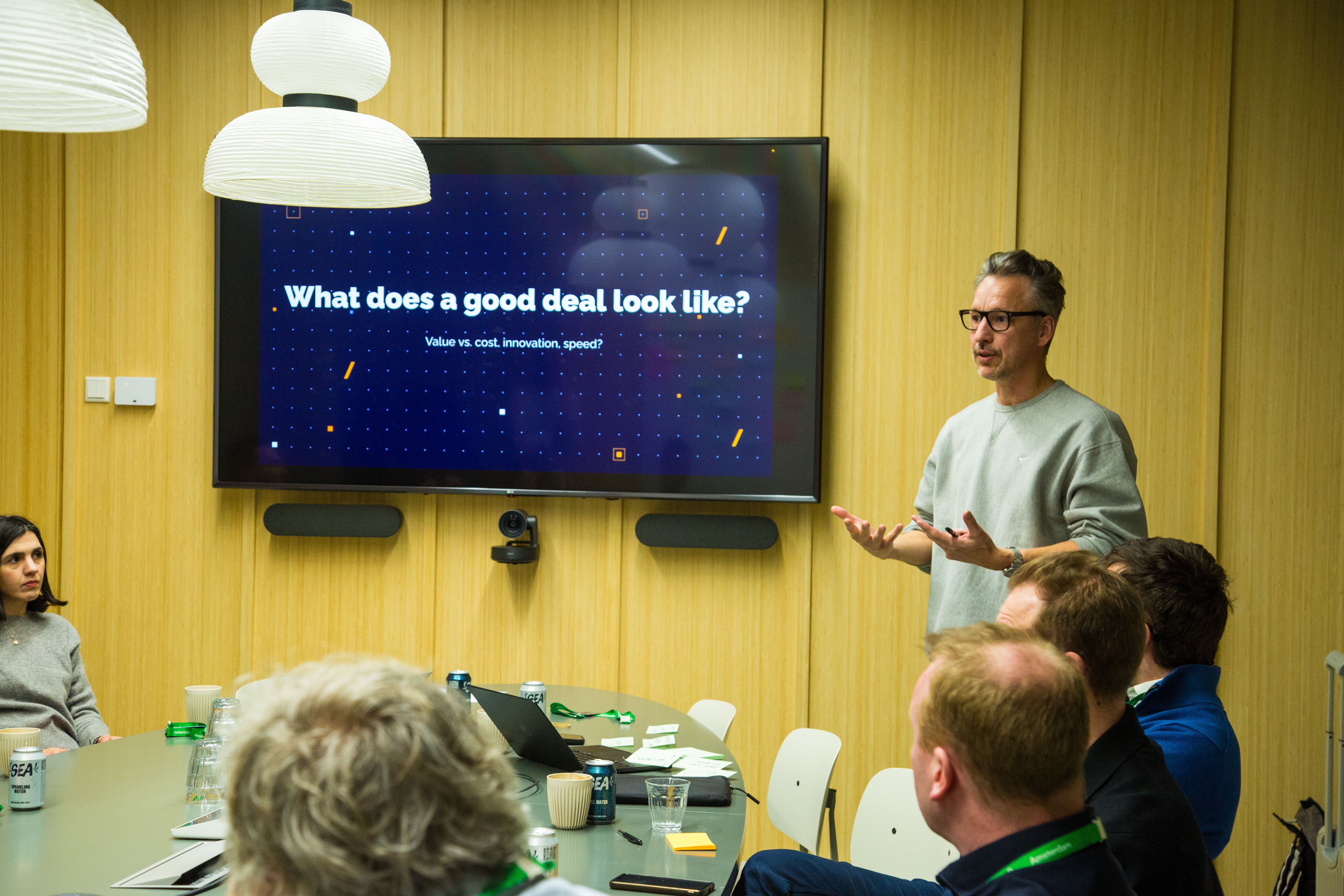
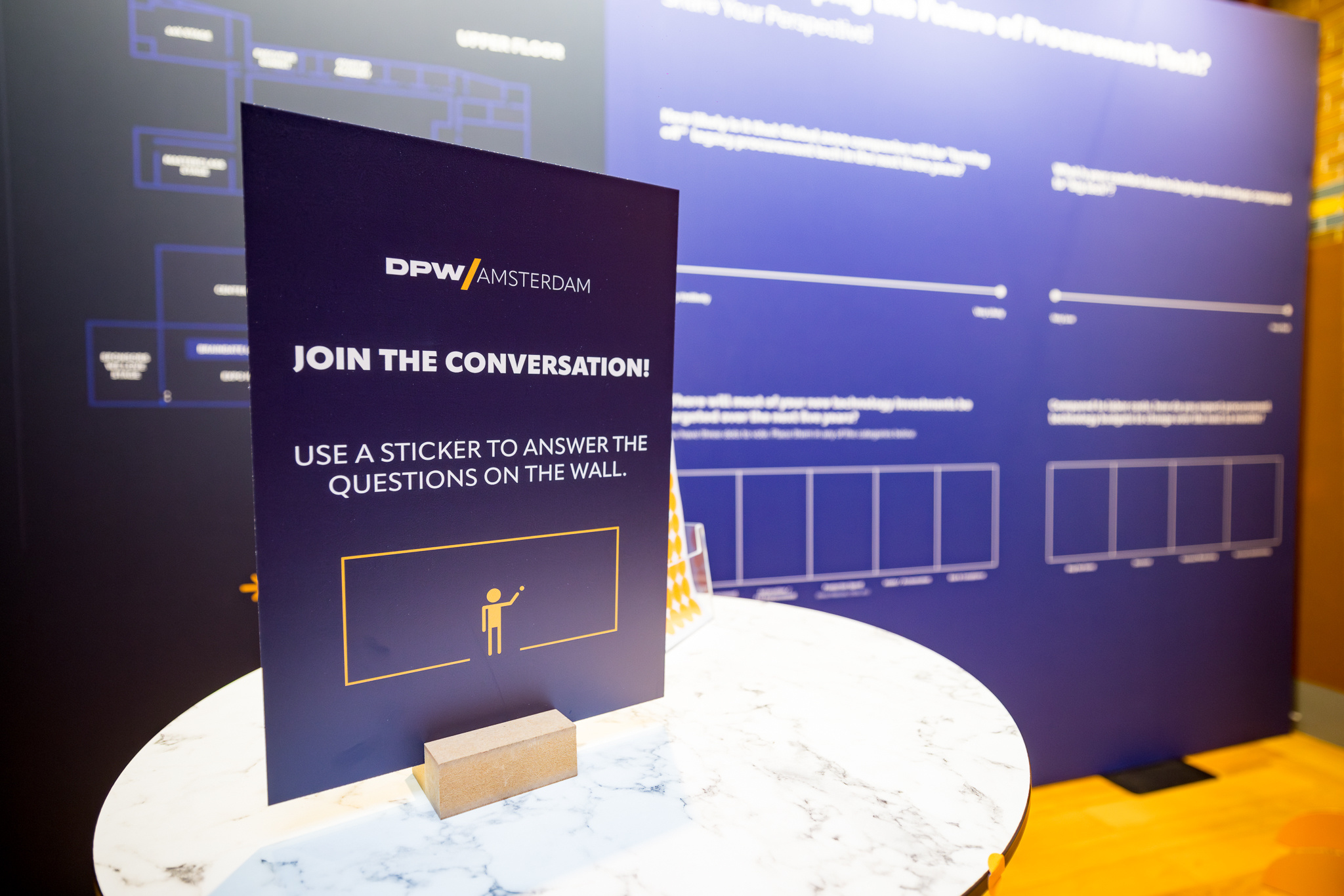
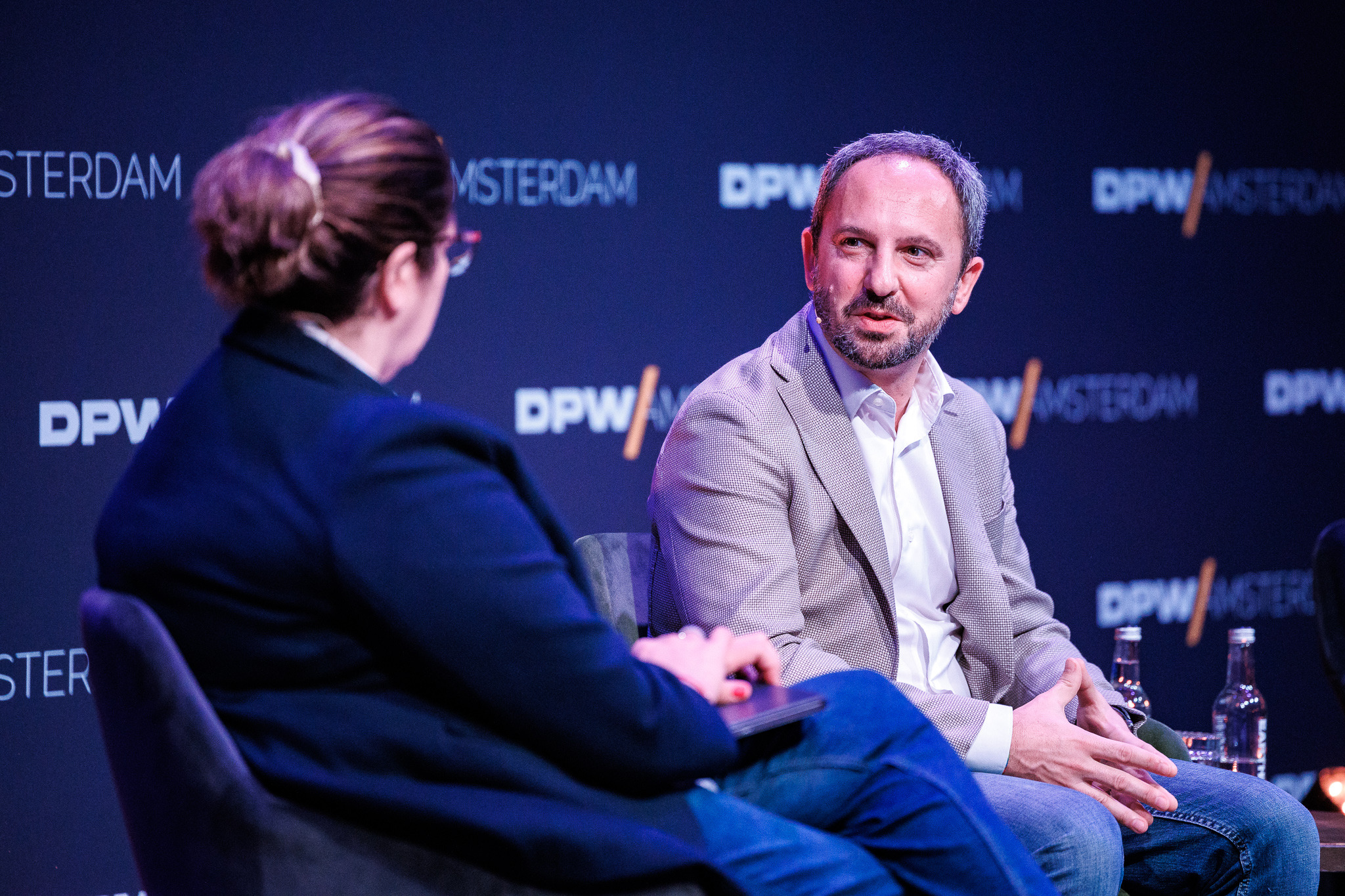
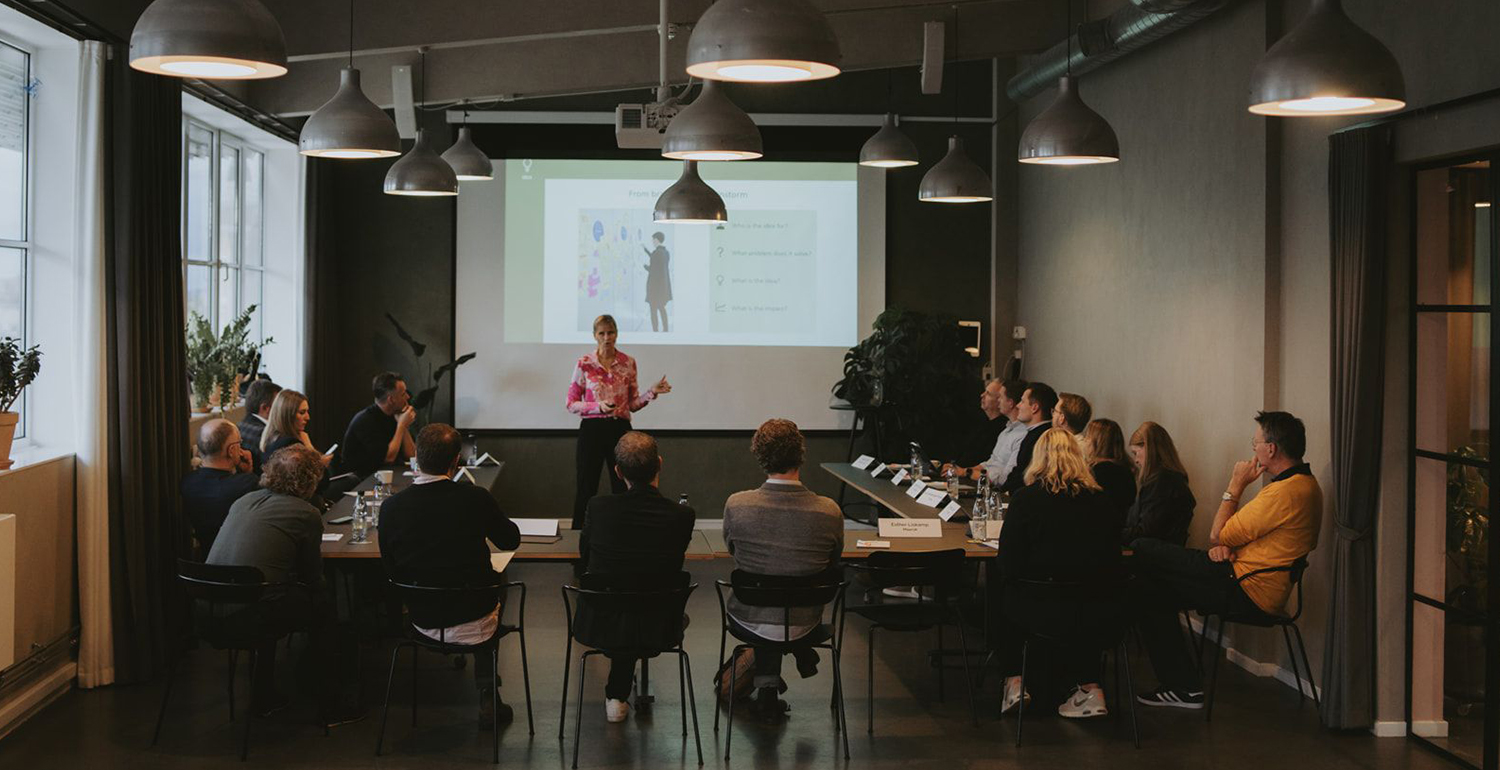
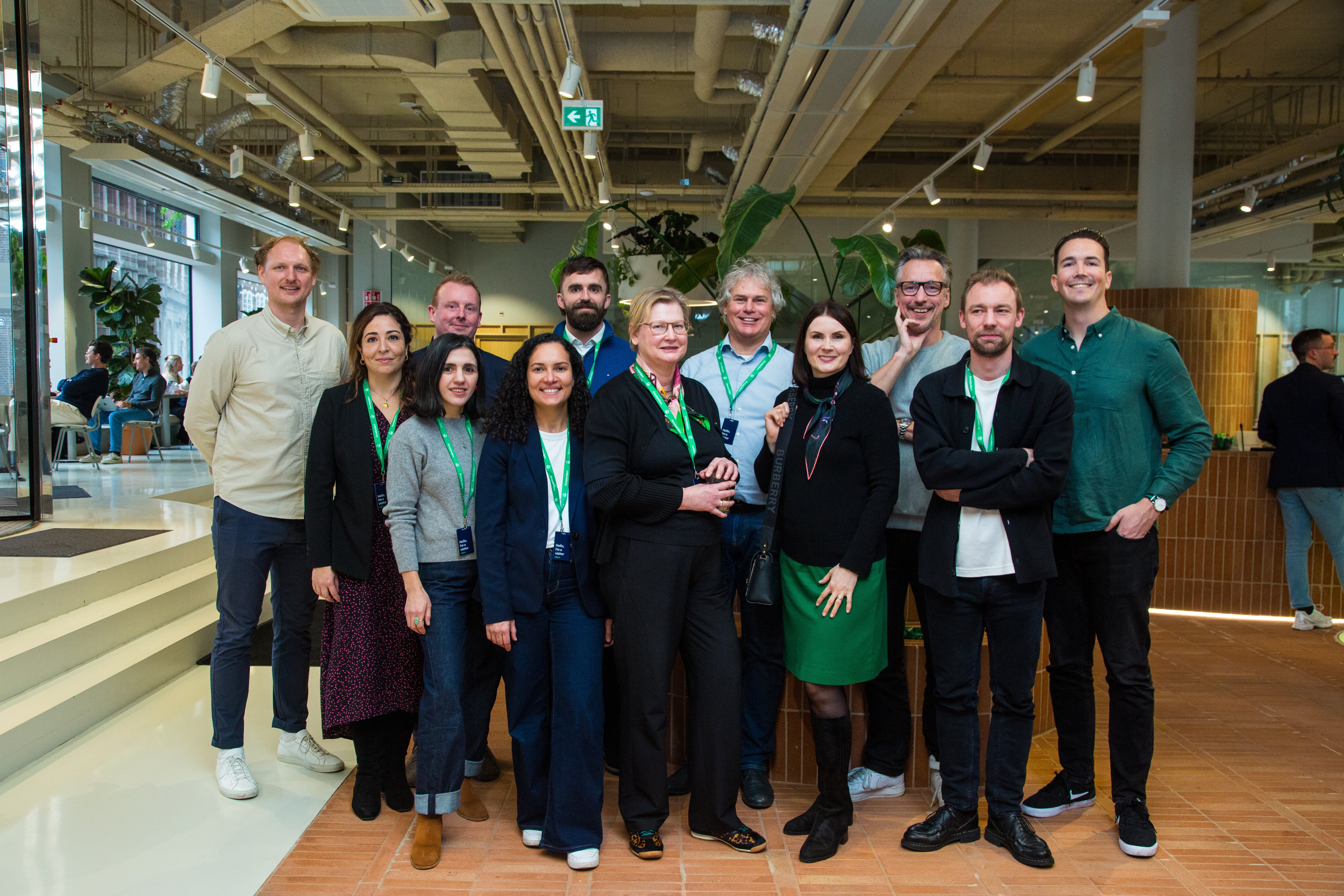
There’s something different about a room full of procurement professionals when the conversation is real. At our recent DPW Roundtable on Software & Technology Procurement, hosted in partnership with Adyen, the discussion wasn’t theoretical. It was practical, candid, and occasionally blunt. Sticky notes filled the wall. Stories were shared. Frustrations surfaced. And slowly, a clearer picture emerged of what a “good deal” actually means today. Below are the three themes that defined the conversation.
1. What Is a Good Deal?
It turns out, a good deal is no longer just about cost.
Participants kept returning to three dimensions: value, innovation, and long-term partnership.
A strong vendor relationship isn’t transactional. It’s built on shared growth. Yet many practitioners shared the same frustration: price increases even within multi-year contracts, minimal customer success engagement, and procurement being sidelined after the contract is signed, only to be called back in when savings are expected.
A few hard truths emerged:
-
Don’t chase 100% fit – aim for 80% of core needs.
-
Avoid locking into long multi-year contracts in a fast-moving AI environment.
-
Plan your exit strategy early on. Procurement is often involved too late in renewals – and six months is rarely enough time to transition away from a tool.
-
Vendors are often more afraid of losing you than you think. Especially when AI is changing how new software will be bought.
Beyond pricing, affordability came up too – even currency choices matter. Several vendors prefer certain currencies and even provide discounts for transacting in that currency.
And stakeholder satisfaction? Essential. Understanding why the business wants a tool is just as important as negotiating its price.
One insight resonated strongly: Adoption before ambition.
If your teams aren’t ready to use the tool, you’re stuck in a bad deal, no matter how good the pricing looks.
2. Common Challenges Procurement Practitioners Face
If defining a good deal is hard, navigating the path to one is harder.
Several recurring challenges surfaced:
-
SaaS vendors “repackaging” upgrades as new products. Here’s that AI feature that you never asked for. And guess what – you’ll pay for it too.
-
Limited team capacity – managing the top 20 suppliers deeply, but lacking bandwidth for the other 280.
-
Unclear ownership weakening negotiation power. Procurement must lead the strategy, especially in AI buying.
-
Internal teams (legal, IT, and procurement) are not aligned early enough, something vendors often use to their advantage.
-
Vendors disappear once the deal is signed. Customer success is not good enough.
There was also a shared tension around AI.
Pricing models are shifting from seats to tokens. And procurement teams must now ask deeper questions:
-
Is the AI being trained on our proprietary data?
-
Are AI add-ons bundled into contracts without clear value?
The negotiation landscape is changing fast.

3. Practical Strategies to Cope
Despite the challenges, the room wasn’t pessimistic. It was pragmatic.
Here’s what’s working:
Slow the deal down.
Start with a proof of concept. Move to a one-year contract. Extend only when value is proven.
Benchmark aggressively.
Run multiple bids. Use RFPs. Leverage subscription management tools and analyst benchmarks. High-confidence negotiations are built on data. Peer intelligence, informal networks, and third-party benchmarking tools provide defensibility and confidence at the negotiation table.
Control intake.
Several practitioners shared how AI-powered intake orchestration tools help control demand and enable prioritization. One participant even described how their team built an internal AI intake tool within days to route and manage requests more intelligently.
Outsource the small stuff (tail spend).
Some teams externalize procurement for smaller transactions (<€50K) to free up internal capacity for strategic negotiations.
Use outcome-based negotiation.
Instead of paying purely for licenses or usage, align vendor compensation with measurable business results. When suppliers have economic skin in the game, behavior shifts. Defining outcomes clearly before signing, and tying payment to performance, increases leverage and ensures value is delivered.
Challenge internal demand, and measure everything
Put pressure on stakeholders to justify why a specific tool is needed and define measurable outcomes upfront. Often, the right solution already exists within the organization, and people are unaware. Ensure that regular checkpoints are set up with vendors so the deal can be measured across the entire lifecycle rather than at the moment of negotiation.
The underlying theme?
Lead the negotiation. Don’t react to it.
The Feeling in the Room
What made the session powerful wasn’t just the tactics. It was the honesty.
Procurement is under pressure to move fast, control costs, support innovation, and now manage AI risk – all at once. But what became clear is this:
A good deal today isn’t about squeezing suppliers. It’s about building leverage, designing flexibility, and aligning outcomes across the business.
And perhaps most importantly procurement is no longer just negotiating contracts. It’s designing how technology enters and shapes the organization.
We left the room with more than sticky notes. We left with sharper questions, and better tools to answer them.
About DPW
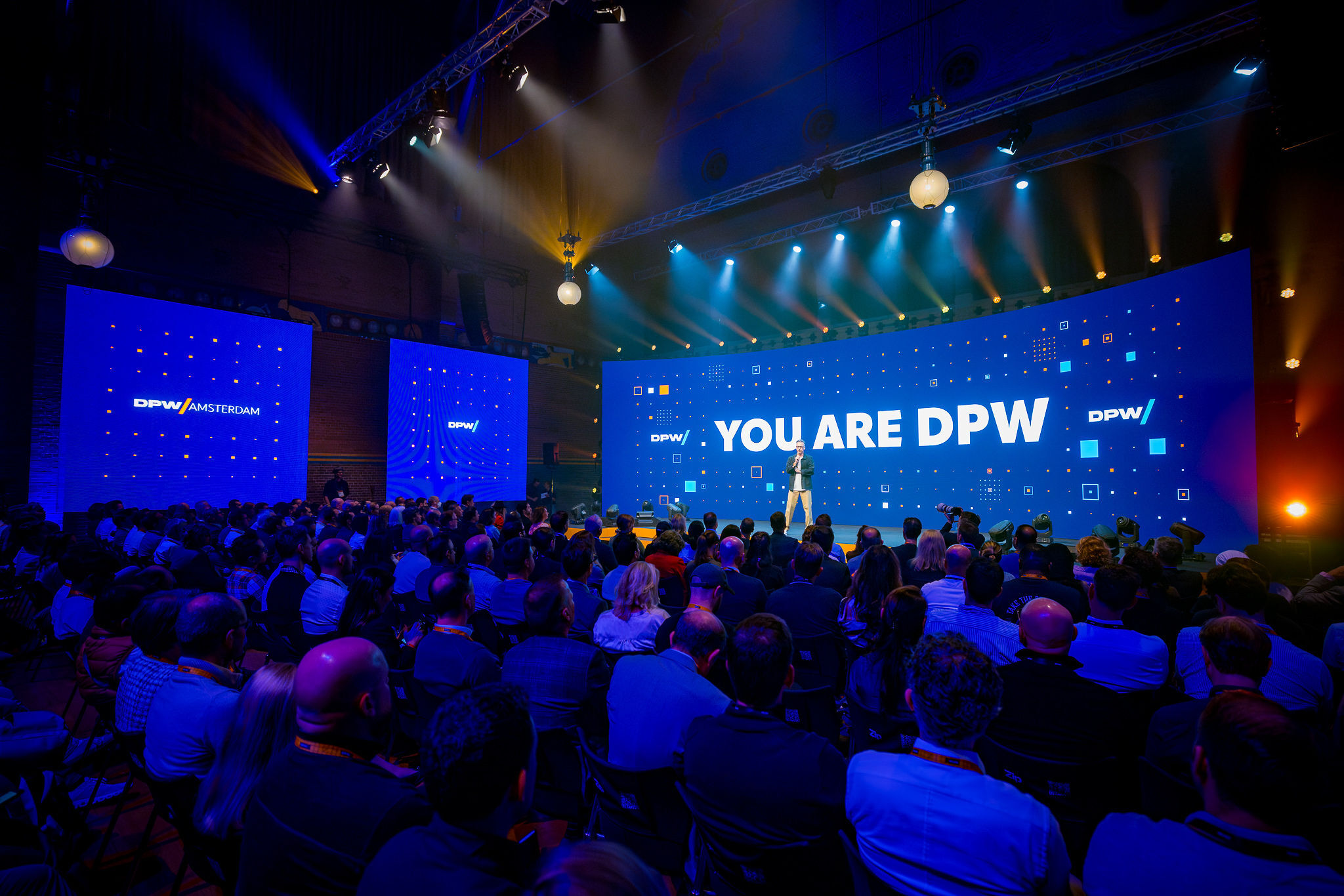
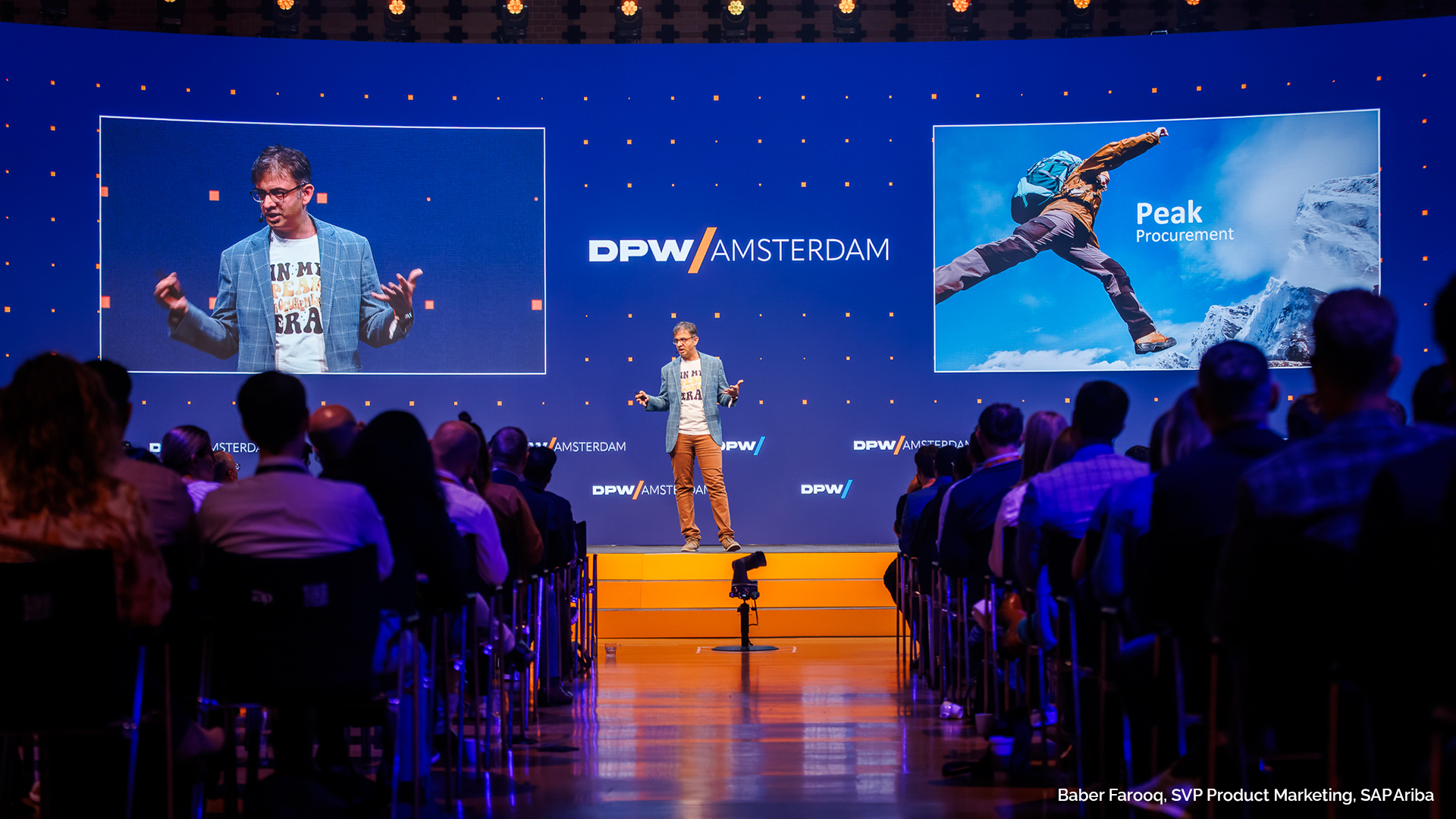
DPW Amsterdam is the world’s most influential event for procurement and supply chain innovation. Each year, it unites startups, enterprises, investors, and thought leaders to define the future of procurement technology. To learn more about our mission and upcoming events, visit www.dpw.ai.